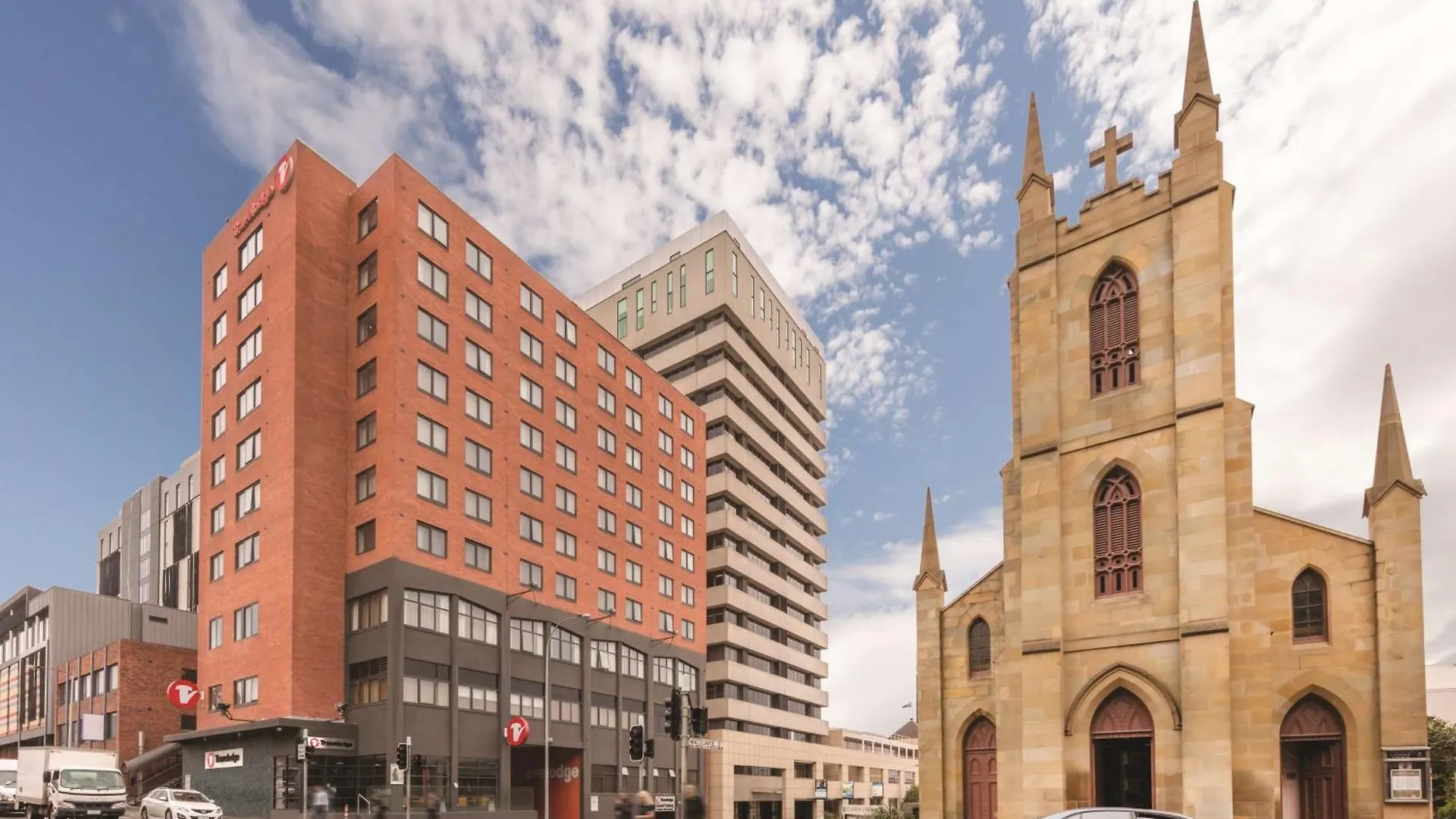
Hobart CBD puts you within a short walk of the waterfront, Salamanca Place, and the Tasmanian Museum and Art Gallery - but not every 4-star hotel in the area delivers the same trade-offs between price, noise, and access. This guide breaks down what staying in the CBD actually looks like, what separates the stronger options from the weaker ones, and which hotels match different travel priorities.
What It's Like Staying In Hobart CBD
Hobart CBD is a compact, walkable centre where most major attractions sit within a 10-minute walk of each other. Salamanca Place and the waterfront precinct are the primary anchors, and most CBD hotels are positioned within 400 metres of both. The pace here is notably quieter than most Australian capital CBDs - weekday foot traffic is moderate, weekend mornings around the waterfront are the busiest periods, and the area generally quietens by 10pm outside of major event weekends like the Sydney to Hobart Yacht Race finish or The Taste of Tasmania. Hobart Airport sits around 17 km away, making a taxi or rideshare the default arrival option for most guests.
Pros:
- Walking access to Salamanca Markets, the Derwent River waterfront, and the historic Battery Point precinct without needing a car or transport
- Compact CBD means hotel check-in to first attraction is typically under 10 minutes on foot
- Central position makes day trips to MONA (via ferry from Brooke Street Pier) and Port Arthur straightforward to organise
Cons:
- CBD accommodation carries a price premium compared to North Hobart or Sandy Bay alternatives
- Parking in the CBD core is limited and often paid - not all hotels include it
- During major events, the waterfront precinct becomes congested and hotel rates spike significantly
Why Choose 4-Star Hotels In Hobart CBD
The 4-star category in Hobart CBD covers a notably wide spectrum - from heritage pub-style accommodation with refurbished rooms to full-service apartment hotels with kitchenettes and on-site dining. What this tier reliably delivers that budget options do not is in-room climate control, private en-suite bathrooms, and dedicated front desk availability. Room sizes in CBD 4-star properties typically run larger than those in comparable Sydney or Melbourne hotels at the same rating, partly reflecting Hobart's lower-density built environment. The trade-off is that some CBD 4-star options sit in older buildings where lift access is limited or noise insulation varies floor by floor. Expect to pay a premium of around 30% over equivalent 3-star options in the same area during shoulder season, with that gap widening considerably in peak summer.
Pros:
- Consistent private bathroom, climate control, and in-room TV standards across the tier - no shared facilities surprises
- Several properties include on-site restaurants or breakfast options, eliminating the need to search for early-morning dining in a city with limited 7am options
- Many CBD 4-star hotels offer self-contained apartments or kitchenettes - useful for stays of 3 nights or more
Cons:
- Heritage-listed CBD buildings can mean stairs, narrow corridors, and restricted lift access - check accessibility details before booking
- Parking, where available, is often charged separately and subject to limited availability
- Hobart's peak summer period (December to February) pushes 4-star CBD rates to their highest, with limited last-minute availability
Practical Booking & Area Strategy
Within the CBD, positioning matters. Hotels on or near Collins Street and Macquarie Street sit at the commercial core, offering the shortest walk to Salamanca Place (typically under 5 minutes) and direct sightlines toward Mount Wellington. The waterfront precinct along Davey Street and the Sullivans Cove foreshore is where the city's most active dining and bar scene concentrates, and rooms facing the Derwent River on upper floors command a genuine view premium. For travellers arriving by ferry from MONA, staying within the CBD core means a straightforward 15-minute walk or a short taxi from Brooke Street Pier. Book at least 6 weeks in advance for December and January stays - the Sydney to Hobart Yacht Race finish and Taste of Tasmania festival compress availability rapidly. Properties on Elizabeth Street and the northern end of the CBD offer slightly lower rates with easy access to the North Hobart restaurant strip, which runs along Elizabeth Street North and is widely regarded as Hobart's best concentration of independent dining. Salamanca Place hosts its famous Saturday market from 8:30am to 3pm, and hotels within walking distance of it fill faster than those requiring any transport connection.
Best Value Stays
These properties deliver solid 4-star standards in well-positioned CBD locations, with pricing that reflects accessible entry points for the category without compromising on core facilities.
-
1. Travelodge Hotel Hobart
Show on map


 Check-infrom 15:00 until 23:59Check-outuntil 11:00
Just a few rooms left at the best rate!
fromAU$ 104
-
2. Best Western Hobart
Show on map


 Check-infrom 14:00 until 23:59Check-outuntil 11:00
Just a few rooms left at the best rate!
fromAU$ 154
-
3. The Lodge On Elizabeth
Show on map


 Check-infrom 12:00 until 19:00Check-outfrom 08:00 until 10:00
Just a few rooms left at the best rate!
fromAU$ 133
-
4. Quest Trinity House
Show on map


 Check-infrom 14:00 until 19:00Check-outfrom 08:00 until 10:00
Hurry – almost gone at this price!
fromAU$ 207
Best Premium Stays
These properties lead on location specificity, building character, or facility depth - and are positioned for travellers where waterfront access, heritage experience, or full-service amenity sets are the booking priority.
-
5. Mantra Collins Hotel
Show on map


 Check-infrom 14:00 until 23:30Check-outuntil 11:00
Hurry – almost gone at this price!
fromAU$ 157
-
6. Customs House Hotel
Show on map


 Check-infrom 14:00 until 19:30Check-outfrom 07:00 until 10:00
Rooms filling fast – secure the best rate!
fromAU$ 398
-
7. Prince Of Wales Hotel
Show on map


 Check-infrom 14:00 until 21:00Check-outuntil 10:00
Rooms filling fast – secure the best rate!
fromAU$ 123
Smart Travel & Timing Advice For Hobart CBD
Hobart's peak season runs from December through February, driven by the Sydney to Hobart Yacht Race finish (late December), the Taste of Tasmania food festival (late December to early January), and the general Australian summer holiday period. CBD hotel rates during this window can be around 60% higher than equivalent shoulder-season pricing, and many properties sell out weeks in advance. March through May represents the strongest value window - summer crowds have dispersed, MONA FOMA (the museum's annual music and arts festival) typically runs in January and draws its own booking pressure, and autumn light over the Derwent River and Mount Wellington is frequently cited by repeat visitors as the most photographically compelling season. June through August is the quietest period in the CBD, with lower rates and minimal crowd pressure, though some outdoor market and waterfront activity reduces in frequency. For stays of 3 nights or more, apartment-format properties with kitchenettes offer meaningful savings on dining costs - Hobart's restaurant scene is strong but not cheap. Book at least 8 weeks ahead for any December or January dates; last-minute availability in that window is rare for 4-star CBD properties and almost non-existent in waterfront-facing rooms.