Northern Territory pulls in travelers chasing one of the most visually striking landscapes on Earth - red desert plains, ancient rock formations, and a night sky unmarked by light pollution. Choosing the right design hotel here means more than aesthetics: it shapes how close you are to Uluru, whether you can walk to Alice Springs' center, and how practical your base is for multi-day outback itineraries. This guide breaks down 5 standout properties across the Territory so you can book with full clarity.
What It's Like Staying in Northern Territory
Northern Territory is one of Australia's least densely populated regions, covering around 1.35 million square kilometers with a population under 300,000 - meaning distances between key destinations like Darwin, Alice Springs, and Uluru are substantial and require planning. Driving is the primary way to move between regions, with no passenger rail connecting major hubs, so your hotel's proximity to rental car facilities or free airport transfers directly affects daily logistics. The Territory splits into two tourism poles: the tropical Top End centered on Darwin, and the Red Centre anchored by Alice Springs and Uluru, each with a distinct crowd rhythm and travel pace.
The dry season (May to October) concentrates visitors heavily, especially at Uluru, while the wet season thins crowds significantly but can cut off some unsealed roads. Travelers who plan self-drive itineraries benefit most from staying here, while those expecting walkable urban amenities comparable to Sydney or Melbourne will need to adjust expectations.
Pros:
- Unmatched access to UNESCO-listed Uluru-Kata Tjuta and Kakadu National Park, both impossible to experience from any other base
- Design hotels here frequently integrate Indigenous Australian art and outback architecture, offering an aesthetic that's specific to this landscape
- Free parking is nearly universal across Territory hotels, eliminating a cost that can add up significantly in capital cities
Cons:
- Flights into Ayers Rock (Connellan) Airport and Alice Springs are limited and often expensive, especially on short booking windows
- Wet season (November to April) can disrupt outdoor activities and access to natural attractions with flash flooding
- Dining and nightlife outside Darwin's CBD is sparse - most resort-area guests eat on-property by necessity, not choice
Why Choose Exceptional Design Hotels in Northern Territory
Design-focused hotels in the Northern Territory aren't defined by minimalist interiors lifted from a European playbook - they're shaped by the landscape itself, incorporating ochre tones, Indigenous motifs, native garden settings, and architecture that frames the outback rather than blocking it. Properties near Uluru are built within a regulated resort zone, meaning even mid-tier hotels sit within walking distance of world-recognized viewpoints, a positioning advantage that standard accommodation can't replicate. Rates at design properties in the Red Centre typically sit above the territory average, but the trade-off is direct access to sunset Uluru viewing without a car journey.
In Darwin, design-leaning resorts tend to offer more space per guest than city-center options, with self-contained layouts and poolside infrastructure suited to the tropical climate. Expect room sizes averaging around 35 square meters or more at the properties covered here, which is notably larger than urban hotel norms. The key trade-off: proximity to Darwin CBD is reduced, so guests without a rental vehicle will need to plan around shuttle or taxi logistics for evening dining.
Pros:
- Hotels in the Uluru resort precinct include free airport transfers - a practical saving when Connellan Airport cabs are limited and costly
- Design properties in the Territory consistently feature outdoor pools suited to year-round use, not just seasonal additions
- On-site restaurants at these hotels serve regionally inspired menus featuring native Australian ingredients, reducing the need to travel for quality dining
Cons:
- Design hotels in remote locations like Uluru operate as near-self-contained villages - guests with limited budgets may find food and drink costs add up quickly
- The aesthetic premium doesn't always translate to luxury service levels; staffing constraints in remote areas can affect response times
- Limited competition in resort precincts like Yulara means pricing is less flexible than in multi-hotel cities like Darwin or Alice Springs
Practical Booking & Area Strategy
Alice Springs functions as the Red Centre's logistics hub - it has a proper town center, a hospital, supermarkets, and a growing restaurant scene along Todd Mall, making it the most practical base for multi-night stays before heading to Uluru. Uluru itself sits around 460 kilometers southwest of Alice Springs, so travelers combining both should plan at least 2 separate hotel bookings. The Uluru resort precinct (Yulara) has a single road in and out, meaning early arrivals at Desert Gardens Hotel or similar properties can walk to the Uluru Lookout in under 10 minutes without competing for parking spots that fill up fast during peak sunset hours.
Darwin, around 1,500 kilometers north of Alice Springs, operates on a different rhythm - the city's waterfront, Mindil Beach Sunset Market (open April to October), and Wave Lagoon are the key draws, with most design resorts located in Berrimah or adjacent suburbs rather than the CBD. Book dry-season stays at least 8 weeks in advance, particularly for Uluru-area hotels, where occupancy consistently runs high between June and August. Tennant Creek, sitting roughly halfway on the Stuart Highway between Darwin and Alice Springs, is a practical overnight stop for road-trippers rather than a destination in itself.
Best Value Stays
These properties offer strong design character and practical positioning at price points that make multi-night stays financially manageable across a longer Northern Territory itinerary.
-
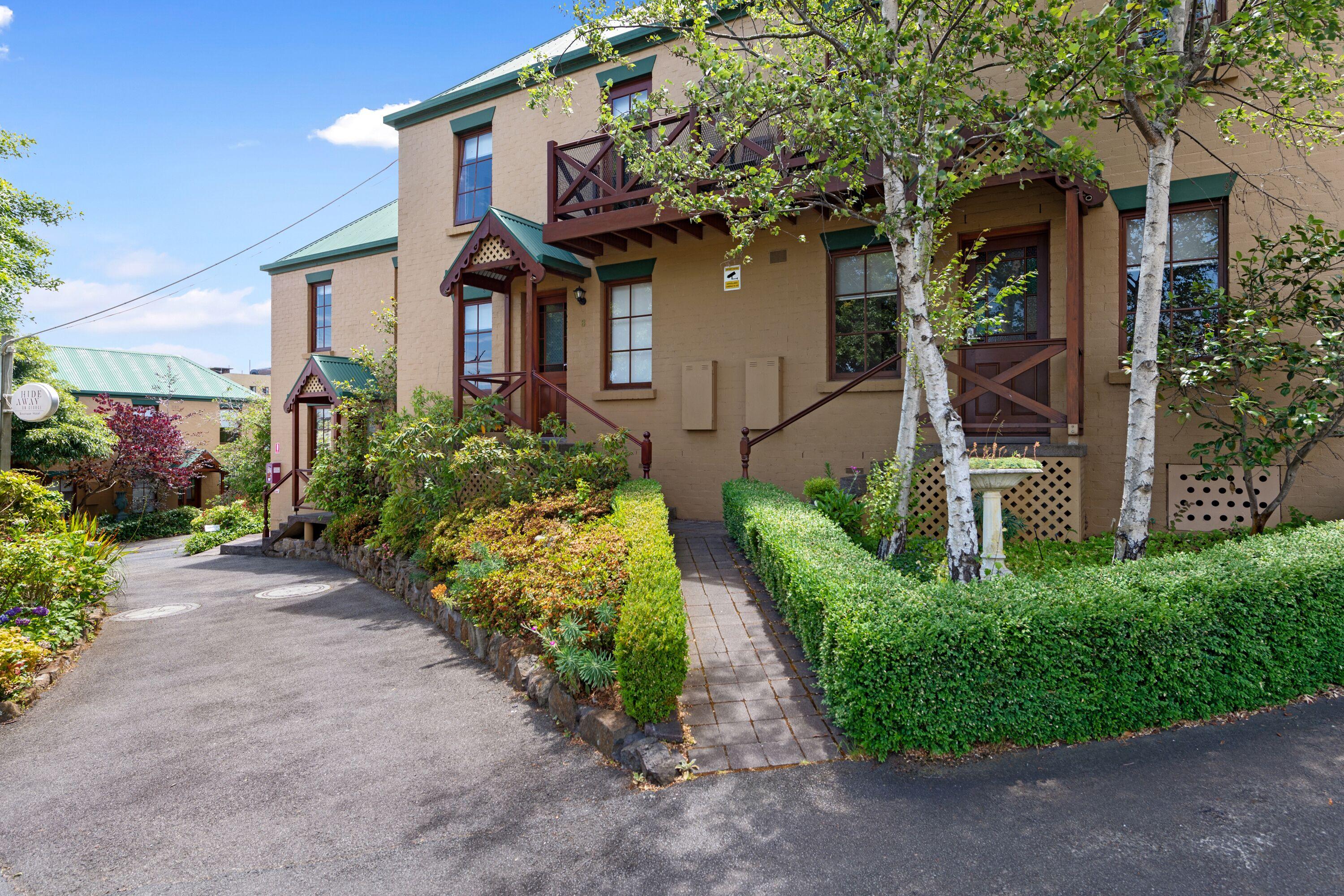
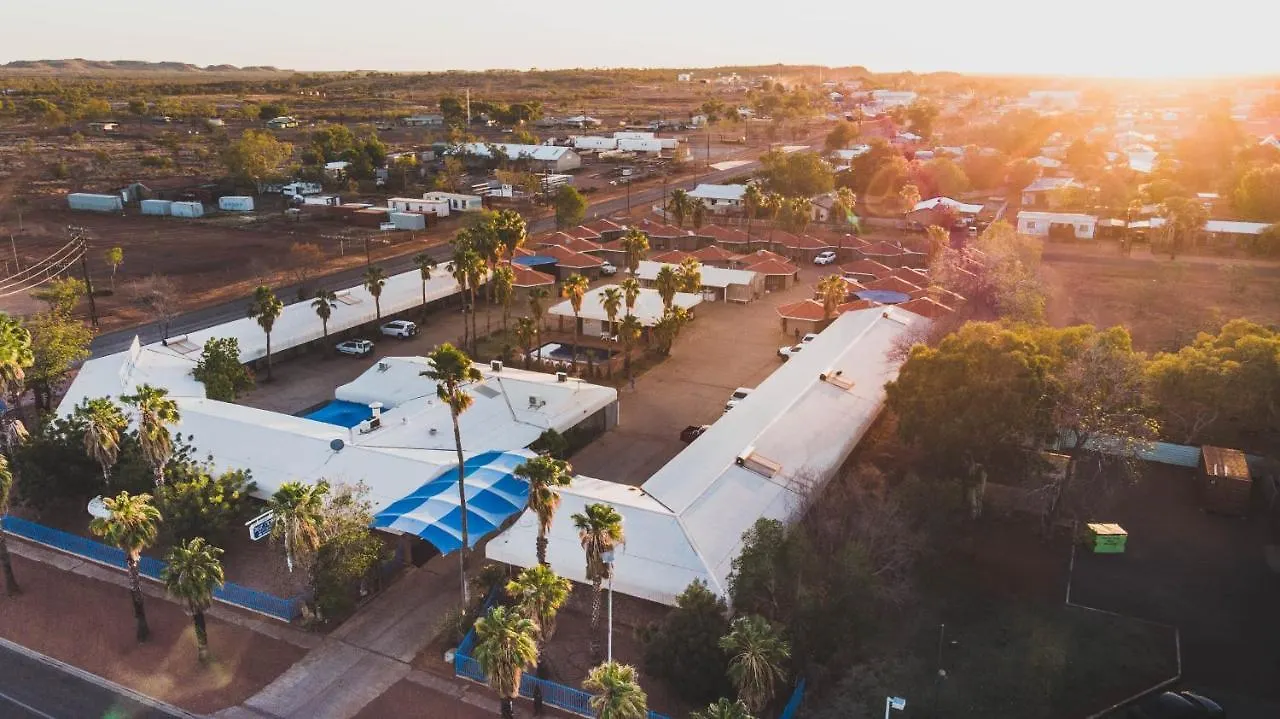
1. Bluestone Motor Inn
Show on map


 Check-infrom 14:00 until 21:00Check-outfrom 07:00 until 10:00
Just a few rooms left at the best rate!
fromAU$ 216
-
2. Darwin Freespirit Resort
Show on map


 Check-infrom 14:00 until 23:59Check-outuntil 10:00
Just a few rooms left at the best rate!
fromAU$ 288
-
3. Mercure Alice Springs Resort
Show on map


 Check-infrom 15:00 until 23:59Check-outuntil 10:00
Hurry – almost gone at this price!
fromAU$ 116
Best Premium Stays
These two properties deliver the most immersive design experience in the Northern Territory - one anchored to Uluru's iconic landscape, the other positioned as Alice Springs' flagship full-service hotel with casino and convention facilities.
-
4. Desert Gardens Hotel
Show on map


 Check-infrom 15:00 until 23:59Check-outuntil 10:00
Hurry – almost gone at this price!
fromAU$ 299
-
5. Crowne Plaza Alice Springs Lasseters By Ihg
Show on map


 Check-infrom 15:00 until 23:59Check-outuntil 10:00
Rooms filling fast – secure the best rate!
fromAU$ 106
Smart Travel & Timing Advice for Northern Territory
The Northern Territory's dry season runs from May to October and represents the only reliable window for comfortable outdoor activity at Uluru and Kakadu - temperatures in Alice Springs during July average around 20°C during the day, compared to over 38°C in January, making the timing difference genuinely consequential for itinerary planning. Book Uluru-area hotels at least 8 weeks ahead during June through August, when Desert Gardens Hotel and the wider Ayers Rock Resort precinct frequently sells out, and prices reflect the demand. Darwin's wet season (November to April) brings dramatic storms and a quieter hotel market - rates at Darwin FreeSpirit Resort and similar properties can drop noticeably, though Mindil Beach Sunset Market and some outdoor attractions close during this period.
For a Red Centre circuit combining Alice Springs and Uluru, a minimum of 5 nights makes strategic sense: 2 nights in Alice Springs to cover the West MacDonnell Ranges and Alice Springs Desert Park, then at least 2 nights at Uluru to catch both sunrise and sunset viewings without rushing. Last-minute bookings at Uluru carry real risk - the precinct has a fixed number of hotel beds and zero alternative accommodation within a practical driving radius, unlike mainland cities where overflow options exist. Alice Springs offers slightly more flexibility, with Mercure and Crowne Plaza providing genuine competition on rates during shoulder months of April and September.